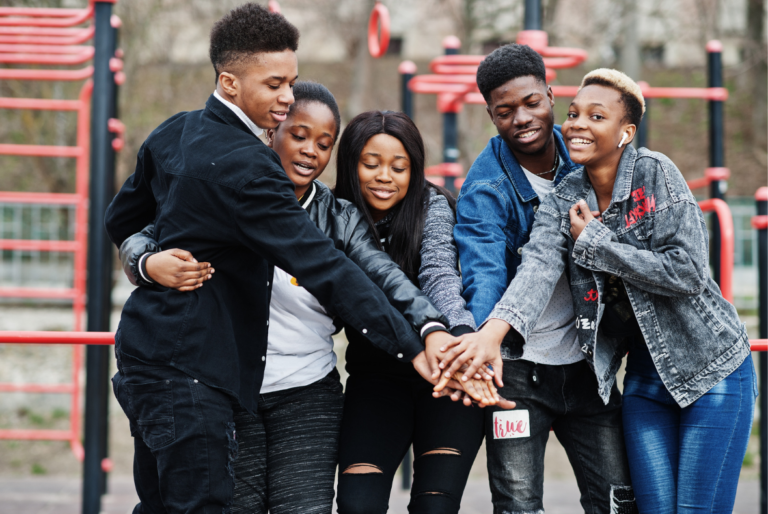
As the 2026 FIFA World Cup™ begins, the world comes together to celebrate more than just football, it’s a moment where sport becomes a bridge between cultures, communities, and countries. Across Africa, the Caribbean, and beyond, sport connects people, sparks dialogue, and fosters understanding like few other platforms can.
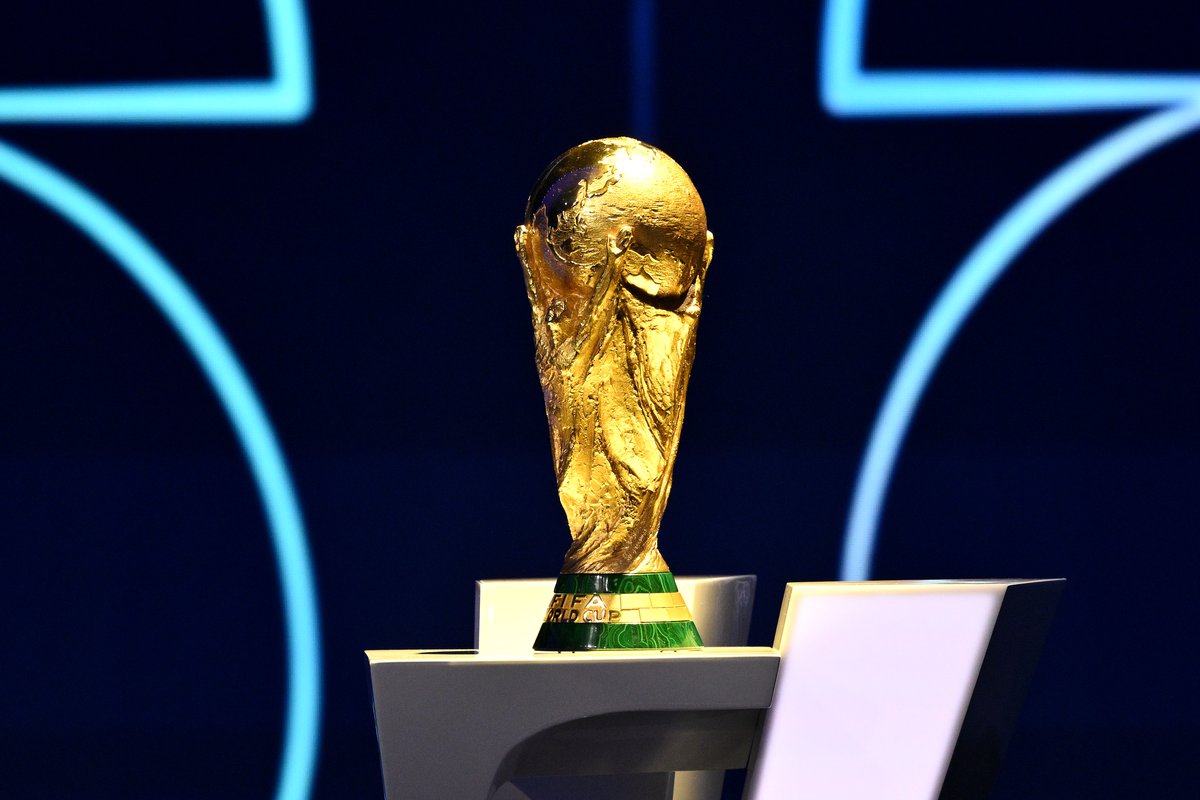
As the 2026 FIFA World Cup begins, the world comes together to celebrate more than just football. Sport has always been a powerful tool for cultural exchange, bringing people, communities, and countries closer together. Across Africa, the Caribbean, and beyond, sport creates opportunities for dialogue, understanding, and shared experiences.
Sport as a Global Connector
Sport has the unique ability to cross borders. Research shows that international sporting events promote cultural awareness, encourage social cohesion, and provide opportunities for youth engagement. Careers in sport extend beyond playing on the field. Professionals in coaching, management, media, and analytics all contribute to shaping a global sports ecosystem that fosters collaboration and understanding between diverse communities.
Sport Doesn't Just Cross Borders — It Erases Them
Football is the most-watched sport on earth, with an estimated 3.5 billion viewers globally. The 2018 World Cup alone drew over 4 billion viewers more than half the world’s population watching at least 20 consecutive minutes. The 2026 tournament, with 48 teams across three host nations, is expected to surpass that significantly.
But the numbers only tell part of the story. Sport creates the kind of shared experience that goes beyond spectating. It gives communities a reason to gather, to celebrate their identity, and to encounter one another in ways that formal cultural exchange rarely achieves.
More Than Football
Major tournaments create cultural infrastructure that outlasts the final whistle. Host cities build fan zones, cultural villages, and public programming that bring communities together across backgrounds. In Mexico City, the Aldea Global 2026 festival has brought together 48 nations for two weeks of art, food, music, and cultural showcases drawing tens of thousands of visitors. Atlanta launched a full Cultural Exchange programme, amplifying art, fashion, and entertainment ecosystems around the matches.
"Major international events are no longer defined by a single cultural centre. They are a curated expression of global cultural exchange." - Global Trekker, June 2026
The Future of Sport and Cultural Exchange
The 2026 World Cup demonstrates that sport is a universal language. Advances in technology, media, and international partnerships continue to strengthen the role of sport as a platform for cultural exchange. African and Caribbean athletes and organizations are increasingly using sport to inspire young people, foster leadership, and build connections across borders.
"Sport can inspire young people, foster leadership, and build connections across borders in ways that few other forces can match." - George Odiana, 2026
The Next Generation Is Watching
Of the 1,248 players at this World Cup, 891 are making their tournament debut. That number matters is not just as a statistic, but as an invitation. It says that the path from a community football pitch to the world’s biggest stage is still open. For young people in Black, African, and Afro-Caribbean communities across the UK and beyond, seeing players who look like them competing at this level is one of the most powerful things sport can offer.
The World Cup’s audience skews younger too. Research shows that 76% of football’s growing fanbase in key markets are Millennials or Gen Z – a generation that connects culture, identity, and sport fluidly, and for whom African and Caribbean representation in global sport is both normal and celebrated.
At Africarn, sport sits alongside education, health and wellbeing, career, and community because they’re all connected. The conversations that happen around football matches, the role models who emerge from tournaments like this one, the pride that communities feel watching their nations compete these are the foundations of the broader empowerment work we’re building towards.
We believe sport is more than a game. It is a catalyst for connection, learning, and inspiration. Through sport, communities can come together, cultures can be celebrated, and the next generation of leaders can be empowered.
If your organization wants to partner with us, reach out at hello@africarn.org or explore our programs at africarn.org.